Zero-Dose & Missed Communities Research
Understanding why children are missed, and how to reach them.
Project Overview
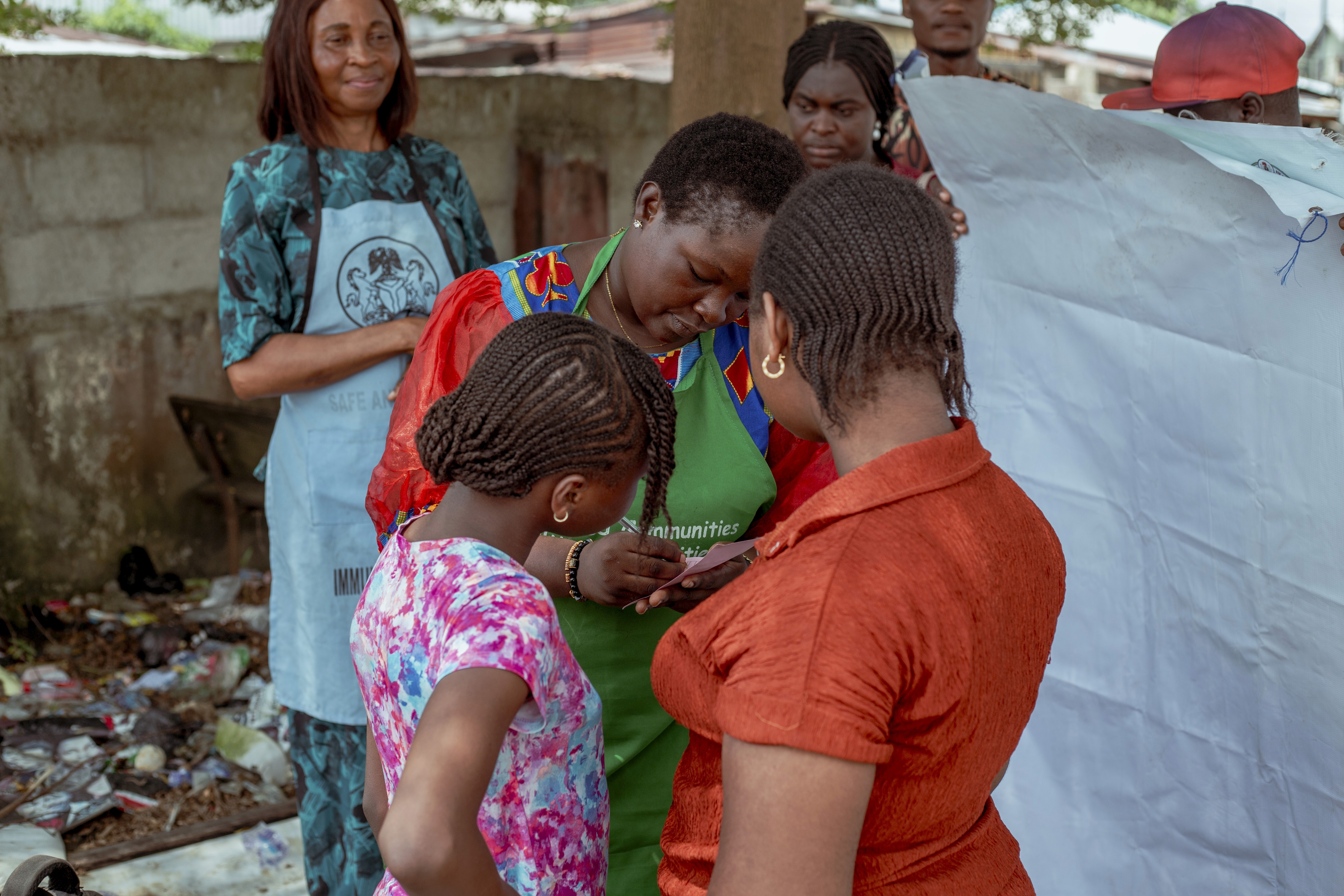
This project studies the factors that contribute to zero-dose children and missed communities, especially in underserved urban and rural settings. It explores social, gender, economic, geographic, and service delivery barriers that affect access to immunisation.
CMS HARD Foundation combines quantitative and qualitative research with design thinking to generate practical solutions that respond to real community needs.
Key Objectives:
Understand barriers to immunisation access
Study gender and social factors affecting caregivers
Identify missed communities and underserved groups
Co-create practical solutions with health workers and communities
How we make change

Qualitative inquiry
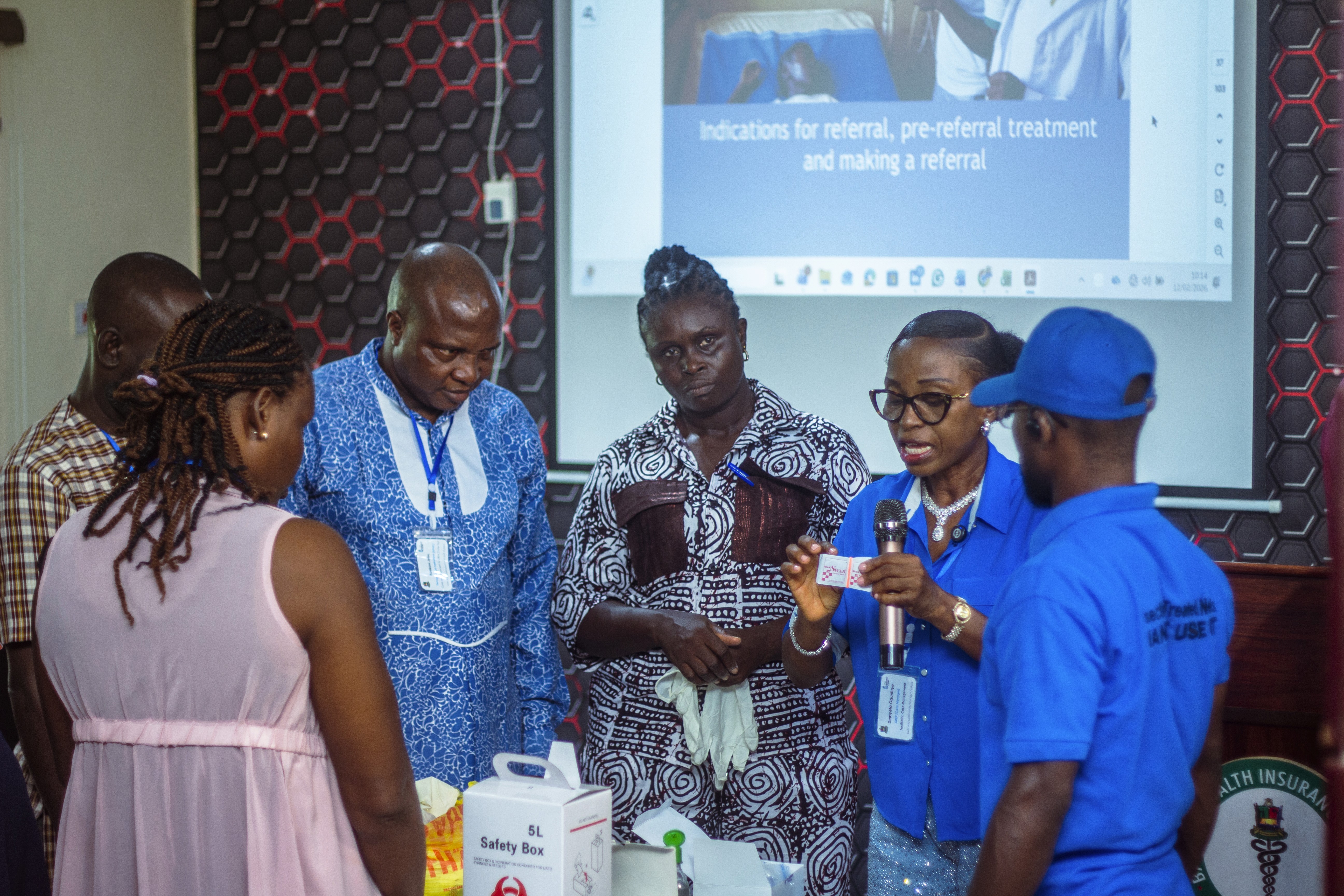
We use interviews, focus groups, ethnography, and community conversations to understand why barriers exist.
Gender-sensitive analysis
We examine how gender roles, decision-making power, and access disparities affect vaccination.
Co-created solutions
We work with health workers and communities to design practical responses that improve service delivery.

Mixed-method
Research approach
Urban slums
Underserved communities studied
Design thinking
Applied to improve microplanning


Helping health workers reach children who are often missed.
CMS HARD FOUNDATION
No child should be invisible to the health system
Zero-dose children are often missed because systems, services, and communities are not fully connected. Through this work, CMS HARD Foundation helps partners understand the root causes and design more inclusive immunisation strategies.